
Clinical Trial Biosample
End-to-End Management
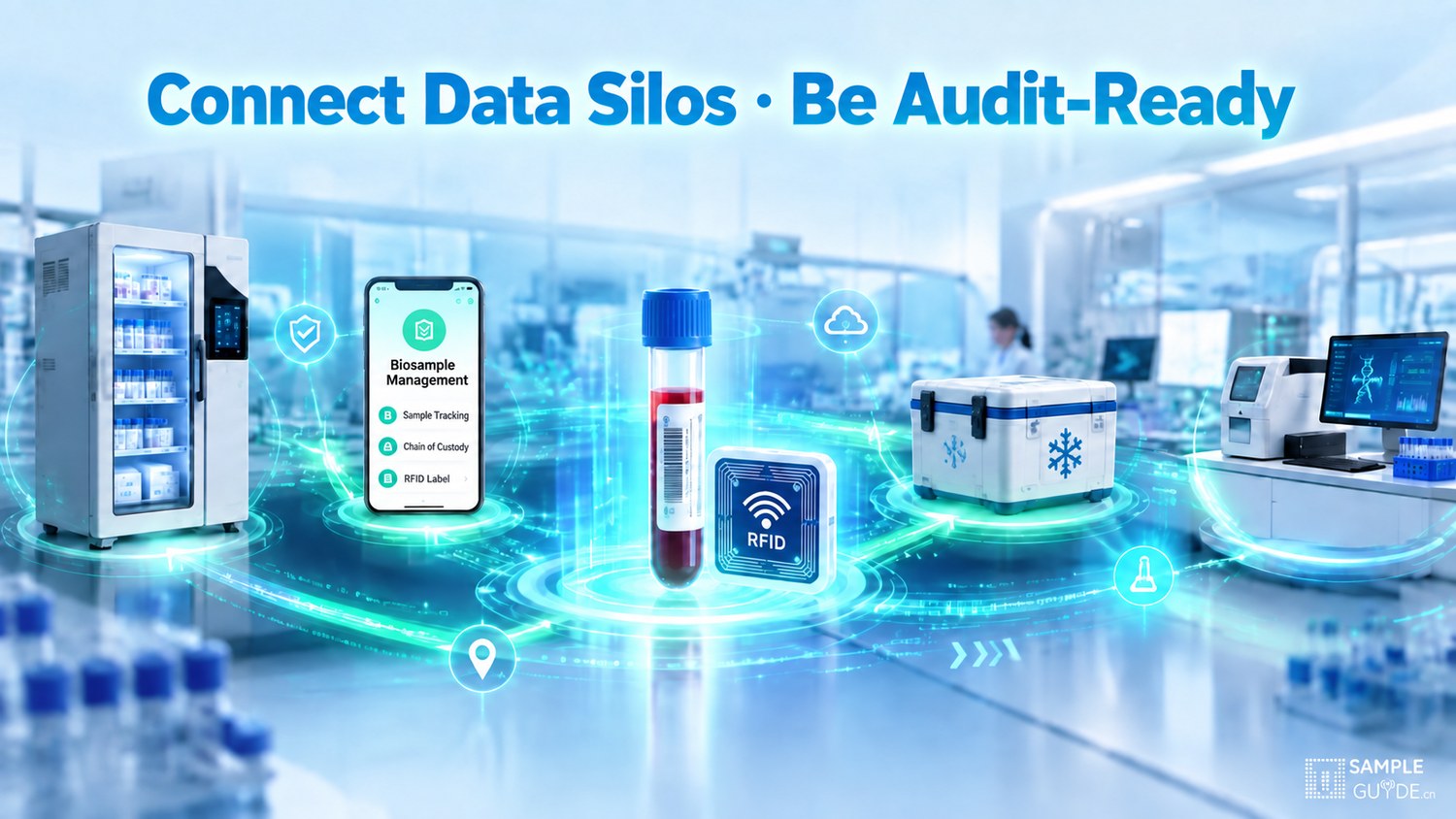
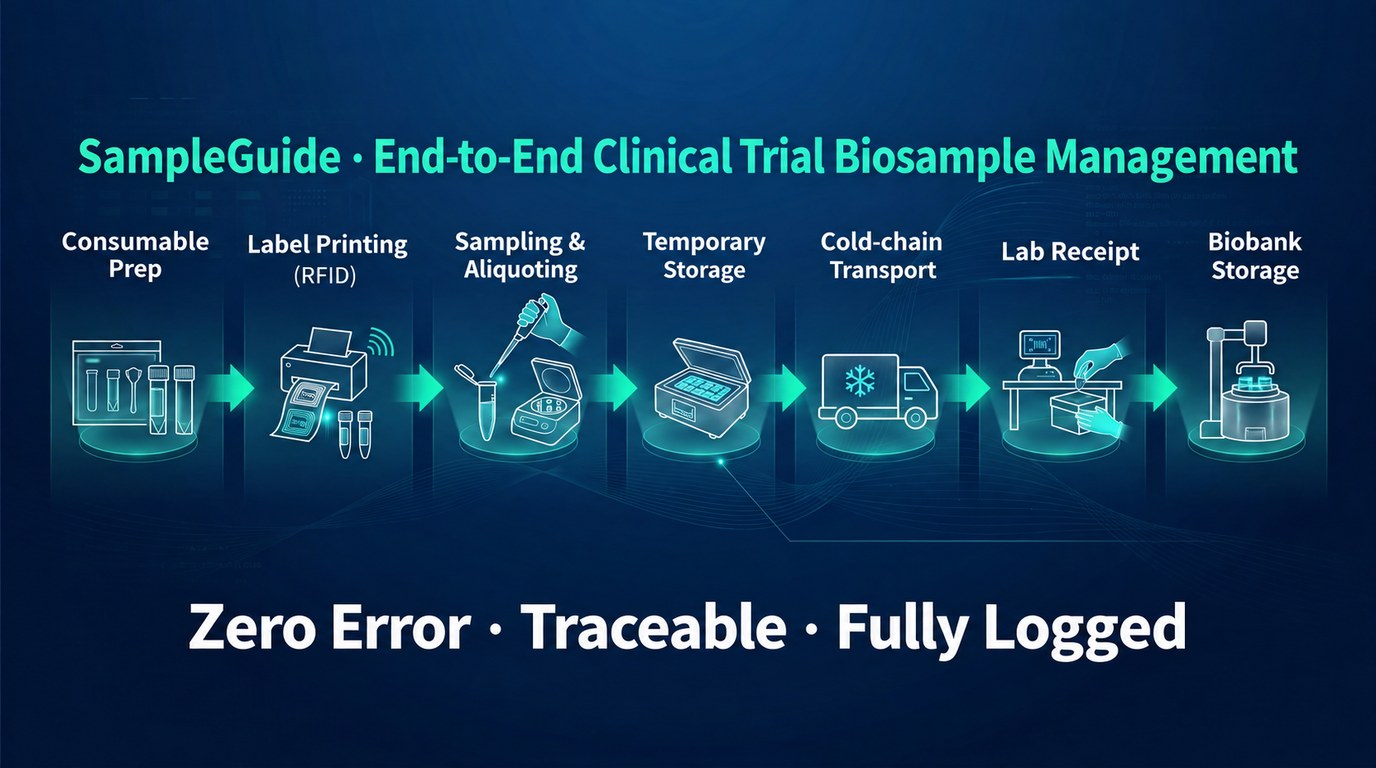
SampleGuide is an IoT-based, end-to-end management system for clinical trial biosamples. A WeChat Mini Program, smart supply cabinets and a PC console work as one, covering the full chain: consumable preparation, label printing with RFID identification, sampling and aliquoting, temporary storage, cold-chain transport, laboratory receipt and biobank storage — zero error, fully traceable, every step logged. The system grew out of the “GCP Laboratory Biosample End-to-End Standardized Management Demonstration Platform” launched in 2018, refined across 48 sponsors and nearly 100 clinical trials.
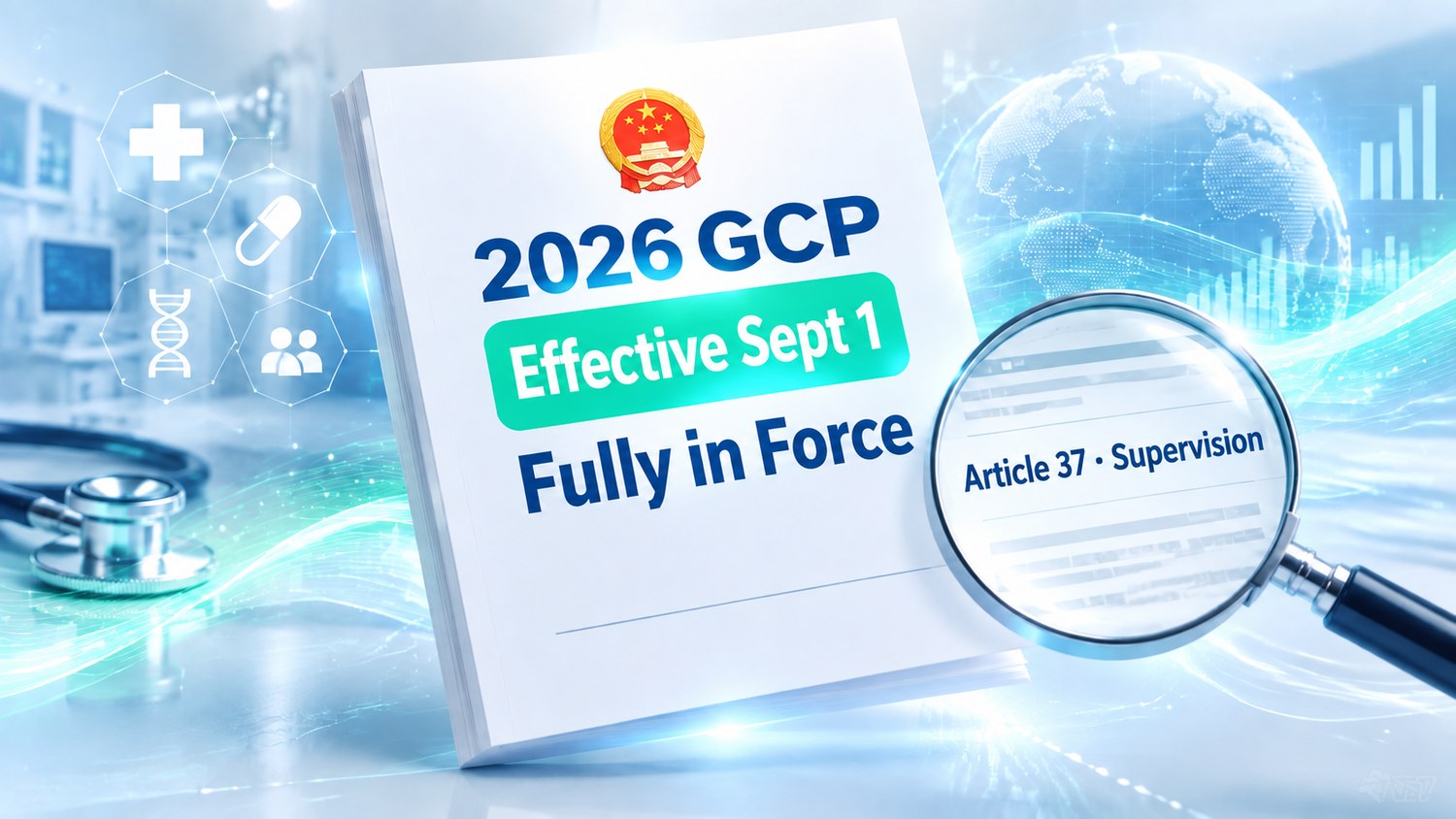
The 2026 edition of Good Clinical Practice (GCP)
takes effect on September 1
Article 37 adds the word “supervision” — sponsors must nowoversee the entire lifecycle ofbiosample quality management.
Regulatory requirements upgraded
The focus shifts from “checking results” to “supervising the process”: sponsors are now accountable for oversight of biosample quality management end to end, and chain-of-custody data must be traceable.
Pressure on the traditional model
Paper logs and manual hand-offs scatter information across consumables, sampling, transport and receipt — making it hard to reconstruct a sample's journey during an inspection.
How SampleGuide responds
Three terminals log everything automatically: sponsors monitor the whole process online and standardized ledgers are generated for inspection, so audits hold no surprises.
The technology is mature; the industry is still stuck with pen and paper
Clinical trial biosample management is the most complex of all sample-handling scenarios: it spans 12 major stages, 51 operations and 30+ record types, requiring cross-department, cross-region and multi-role collaboration. Each party owns only a small segment, and every hand-off becomes a blind spot and a data island.
Fragmented accountability
The new GCP places end-to-end oversight on the sponsor, yet the industry has long worked in silos. Sponsors lack the means and the standard to see through the entire chain.
Vague informed consent wording
Storage duration, confidentiality measures, sharing conditions and extended use must all be stated explicitly. For ongoing studies the consent forms are missing these items, and adding statements, versions and ethics approvals is costly.
Off-protocol testing is a red line
Unauthorized testing and data reuse are hard red lines: once found in an audit they count as serious protocol deviations, yet in practice they are easy to miss.
No end-to-end traceability
A temperature excursion is “proved” by a phone screenshot, receipt records sit on personal phones, and inventory is logged by hand — so nobody can tell the full story of a single tube.
Deviation handling in name only
“Assessed, no impact” is no longer accepted. Reporting, investigation, risk assessment, corrective action, CAPA and archival review — a six-step closed loop with no missing links.
Inconsistent standards across sites
Centrifuge speeds, processing windows and temperature monitoring intervals vary from site to site. Inconsistent pre-analytics let site effects leak into efficacy data and cast doubt on pooling.
Loss of control after the sample leaves the site
Transport, storage, sharing and destruction lack closed-loop records: no continuous temperature log, no destruction receipt, leftover samples lingering for months — a black hole for traceability.
Digitalization stalls in practice
Procurement cycles are long, interfaces are hard to connect and habits are hard to change. The bottleneck is not technology but standards — no single institution can solve it alone.
“The first principle of clinical trials is to verify the effectiveness of a protocol through the testing of biological samples. The quality of biosample management therefore directly affects the accuracy of the study results.”
“Technology has never been the biggest obstacle to change. The real difficulty is breaking the narrow, local perspective each party holds and building a whole-chain mindset.”
These eight pain points are exactly what the Joint Study sets out to dismantle, one by one — See the Joint Study →
One system covering the full sample lifecycle
Smart cabinets and RFID labels are the physical entry points that automatically link five kinds of information — consumables, samples, people, time and location. CRCs scan and sample at the site, print labels on the spot and data uploads in real time; sponsors follow the whole chain and its audit trail from the PC console.
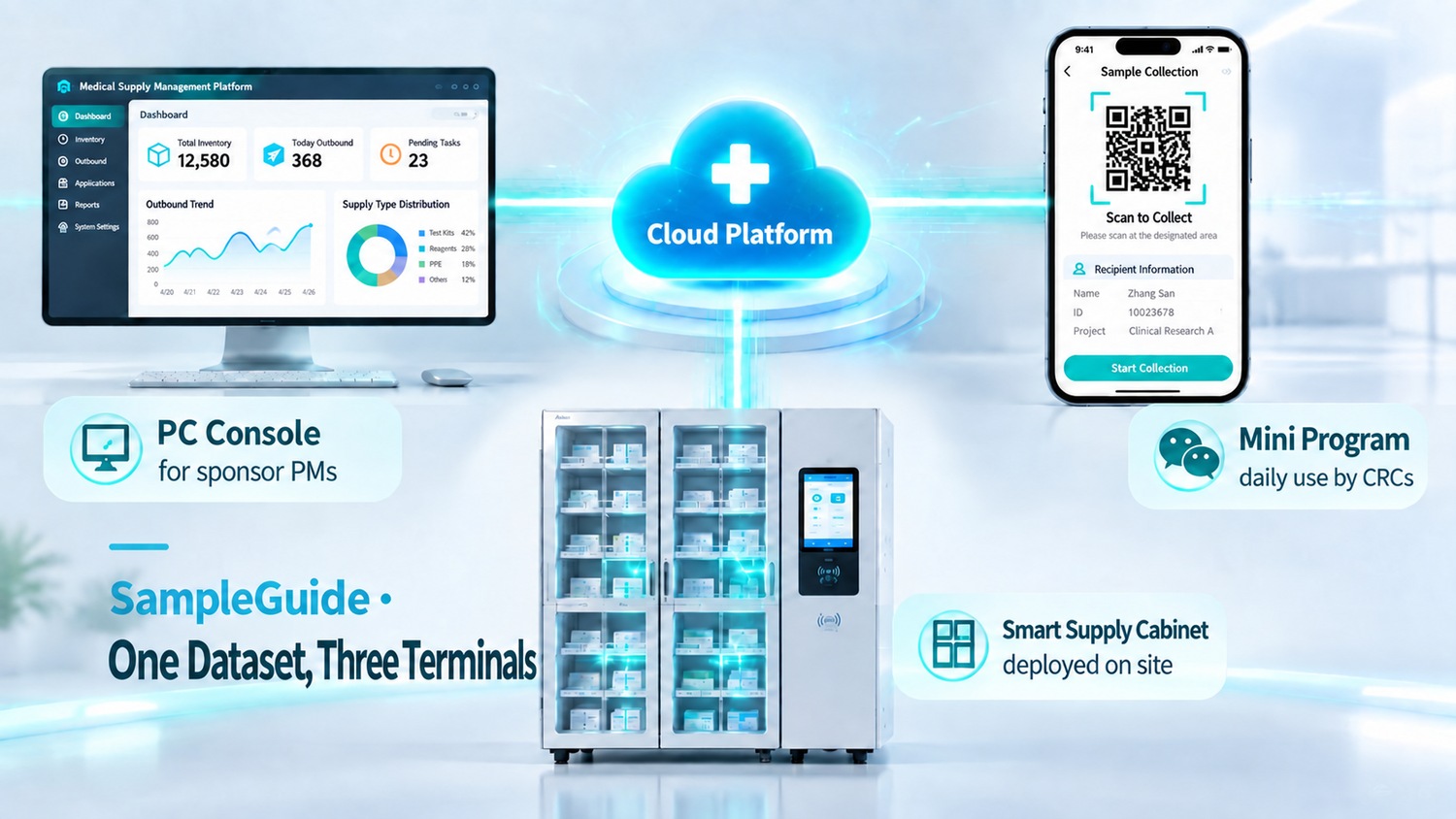
One dataset, three terminals
The PC console, the WeChat Mini Program and the smart cabinet each do their job on one shared chain of data: act on one terminal, and all three see it.
Oversee the whole chain from your desk
- Project setup and workflow configuration
- Team members and permissions (search by phone number, add to the project team, authorize work scopes)
- End-to-end progress dashboard
- Data queries and statistics
- Real-time view of consumable-kit bills and account balance
- Export of standardized ledgers and audit trails
Follow the prompts; every step is recorded
- Guided sampling (standardized instructions for each step)
- Scan or tap NFC to read RFID
- On-site label printing (subject number, test panel)
- Scan to draw consumables, with automatic reconciliation
- Company verification and role-based permissions
- Instant reward after completing sample tasks at each visit
Consumables in and out of the cabinet, data uploaded automatically
- Consumable storage management
- Scan for cabinet check-in and check-out
- Print labels on the spot (no handwriting)
- Real-time data upload
The system costs nothing; you only pay for consumables
The whole system (PC console, WeChat Mini Program, smart cabinets) is free to use. Companies only pay for the consumable kits their trials require — the same money they already spend on consumables.
Billed per consumable kit
You only pay for the consumable kits your trials need — the same as before, with no extra budget.
Top-up model
Your company account is pre-funded; each kit used deducts its price automatically, with a transparent, auditable bill.
Top up whenever the balance runs low
Check the balance in real time, top up at any moment, and earn rebates on larger top-ups.
One system, seven beneficiaries
From sponsors to biobanks, every role sits on the same data chain and gets exactly what it needs.
Sponsors
Monitor the whole process online in real time. Every action is logged automatically and standardized ledgers are generated for the new GCP's inspection requirements.
CROs
Check sample progress across every project from your phone — no more site visits, less manpower, faster project management.
Central laboratories
No need to aliquot kits yourself: at receipt the information syncs automatically, with no re-entry and roughly half the workload.
Clinical trial sites
Consumables stored and managed in one place, with full-process traceability — better sample quality and greater confidence at inspection.
SMOs
Standardized instructions built into the Mini Program mean CRCs follow one process, every step traceable, with lower operational risk.
Cold-chain logistics
Deliver kits on routes you already run, make full use of existing capacity, and sync transport data automatically for end-to-end traceability.
Biobanks
See sample location and status in the Mini Program in real time; authorized staff can query any time — no more paper ledgers.

A system that stands up to audits is one that has been run
SampleGuide runs continuously in real-world projects with sponsors and sites across China.
End-to-end biosample management system
Joint research program
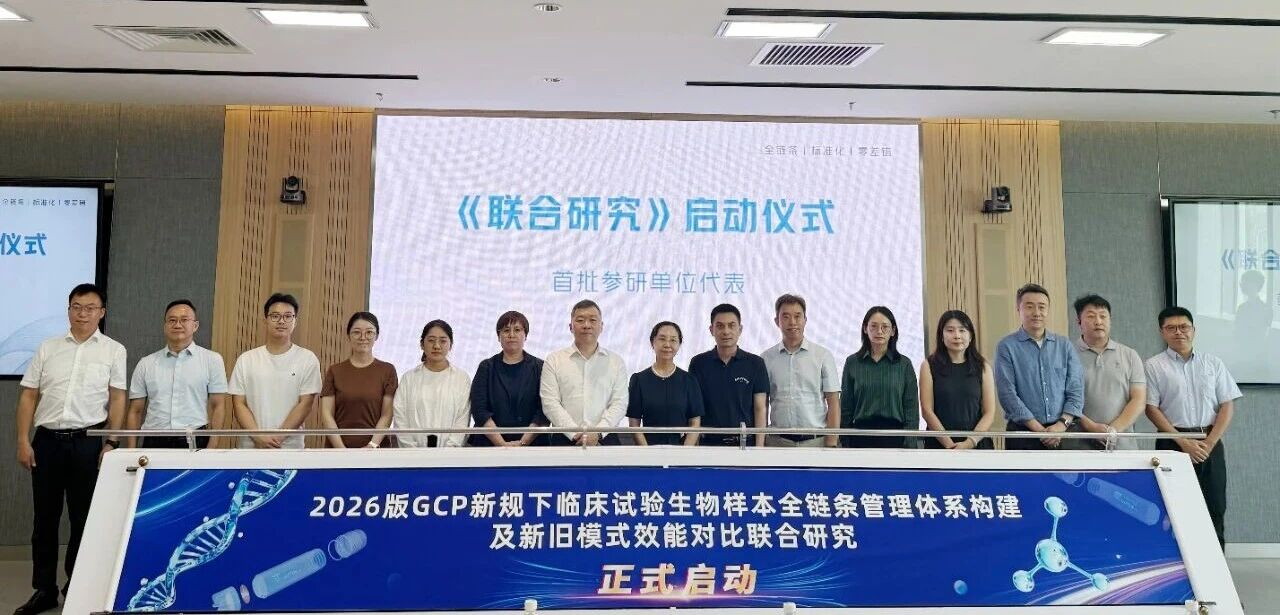
Initiated by the SampleGuide Alliance (SGA), led by Alliance member Beijing Gaobo Hospital, and launched together with the first 15 industry organizations involved in clinical trial biosample management.
Joint Study — “Building an End-to-End Clinical Trial Biosample Management System under the 2026 GCP, and Comparing the Effectiveness of the Old and New Models”
From everyone figuring it out alone to one industry standard
The Joint Study is not another paper exercise. It is a directly deployable, quantifiably verifiable and cross-institution reusable end-to-end management standard, together with an empirical comparison of effectiveness: built around the new GCP's compliance requirements for the full biosample lifecycle, it covers collection, processing, testing, transport, storage and destruction, and validates compliance and operational efficiency with real project data.
Responsibility and authority matrix
Defines the boundaries of responsibility, escalation paths and signing authority for sponsors, sites, labs and logistics providers at each stage, establishing a RACI matrix.
Addresses pain point P-01Standardized informed consent templates
Builds a library of standard consent clauses aligned with the new GCP — storage duration, confidentiality measures, sharing conditions and extended use — plus guidance on supplementing consent for ongoing studies.
Addresses pain point P-02Controls for off-protocol testing
Establishes a test whitelist, an approval workflow for off-protocol testing, tiered sample-use permissions and traceability locking of test data.
Addresses pain point P-03End-to-end traceability system
Unifies barcode rules, electronic hand-off standards and temperature-data interfaces so that every single tube is traceable from collection to destruction.
Addresses pain points P-04 / P-07Standardized deviation handling
SOPs, risk assessment templates and CAPA checklists for common deviations such as temperature excursions, haemolysis and labelling errors.
Addresses pain point P-05Multi-site quality consistency programme
Aligns pre-analytical parameters, training and certification, and site qualification thresholds, with regular external quality assessment and unannounced inspections.
Addresses pain point P-06Old and new models run in parallel — let the data speak
A prospective, multi-centre design comparing the old and new models side by side: representative projects at participating sites run in parallel and are compared quantitatively on both compliance and operational efficiency.
Compliance metrics
- Number and severity of audit findings
- Sample traceability completeness
- Deviation closure rate
- Informed consent compliance
- Protocol deviation rate
Operational metrics
- Reduction in sample turnaround time
- Drop in manual documentation hours
- Deviation response time
- Multi-site data consistency coefficient
- Change in overall operating cost
Seven parties, one process
The study is initiated by the Alliance and coordinated by Beijing Gaobo Hospital. Sponsors, CROs and testing labs each nominate 3 ongoing or new clinical trial projects involving biosample management as implementation vehicles; sites, SMOs, cold-chain logistics providers and biobanks use those projects to deploy the system and equipment, staff their teams and complete training.
| Role | Responsibilities in the Joint Study |
|---|---|
| Lead organization | Beijing Gaobo Hospital coordinates the overall design, the data-capture dimensions, the division of labour and the publication of results. |
| Sponsors | Nominate 3 eligible clinical trial projects (Phase I, II or III) and cover the necessary consumable costs of those trials. |
| CROs | Nominate 3 projects, assign a dedicated PM / CRA to manage rollout and cross-party coordination, and settle consumable costs on the sponsor's behalf where agreed. |
| Central laboratories | Nominate 3 projects and configure sample information and test panels in the PC console before start-up (importable from LIMS) to keep source data accurate. |
| Clinical trial sites | Provide suitable space, stable power and network access for the smart cabinet, and keep the equipment in good working order. |
| SMOs | Train and authorize the project's CRCs on the system, manage samples following its workflow, and complete Mini Program company verification for your CRCs. |
| Cold-chain logistics providers | Assemble kits per order and deliver them on time to the site's smart cabinet, recording complete cold-chain data and syncing it to the system. |
| Biobanks | Receive and accession samples, uploading sample status and inventory data in real time. |
Open collaboration, shared results
The Joint Study is open to any organization involved in clinical trial biosample management — Alliance membership is not required.
Priority use of the standards
The SOPs, templates and toolkits produced by the study are ready for participants to adopt directly.
Evidence from real data
First-hand old-versus-new comparison data to support your organization's internal compliance upgrade.
Cross-institution network
Build standards and share experience with leading hospitals, central labs, CROs and sponsors.
Industry recognition
Results are published under the Alliance's name, with participants listed as co-research organizations; outstanding projects are promoted industry-wide as showcase cases.
Team capability building
Participants receive training and hands-on certification in the standardized system.
Alliance membership
Once the project is implemented as required, your organization automatically becomes a full member of the SampleGuide Alliance (SGA).
SampleGuide Alliance (SGA)
SampleGuide Alliance (SGA) was jointly founded by leading institutions and companies in the field and focuses on end-to-end management of clinical trial biosamples. Building on eight years of results from the “GCP Laboratory Biosample End-to-End Standardized Management Demonstration Platform”, the Alliance carries that work forward, moving the industry from its first leap — zero to one — toward better and then best. Using compliance management as its entry point, it distils industry standards from practice and empowers high-quality clinical research in China.
The Alliance remains open: organizations across the value chain are welcome to apply at any time and help refine the industry's sample management standard system.
Demonstration Platform · Eight years of heritage
Eight years of work, from the Demonstration Platform to the industry Alliance
In 2018, with support from a Beijing Municipal Science & Technology Commission programme, the GCP Laboratory Biosample End-to-End Standardized Management Demonstration Platform started at Chinese PLA General Hospital. Over the following eight years, 5 milestone reviews, 8 practice observation sessions and 30+ Phase I trials field-tested turned “zero error” into a repeatable, shareable process — leading to the SGA Alliance and the Joint Study.
Each milestone links to the original WeChat article from that time — click to read the source and walk through these eight years in order.
(Some periods have no public report and therefore no link.)
The “end-to-end” concept is first proposed
The Clinical Drug Evaluation Research Committee of the Chinese Pharmaceutical Association held China's first academic salon on end-to-end GCP laboratory biosample management in Beijing, where the “end-to-end” concept was introduced and has been carried forward with the Committee's support.
The Demonstration Platform is officially launched
The launch meeting and second academic salon of the “GCP Laboratory Biosample End-to-End Standardized Management Demonstration Platform” — hosted by the Committee and organized by the National Drug Clinical Trial Institution of Chinese PLA General Hospital — was held in the hospital's Oncology Building auditorium with more than 150 experts present. Professor Wang Rui chaired the session, Professor Wang Jin presented the platform's background and plans, and the hospital also independently developed an “IoT-based ultra-low-temperature smart sample management system”.
Four “Practice Observation Month” sessions in a row
Four sessions were held on December 5, 12, 19 and 26, giving industry peers a complete view of “zero error” management across intensive blood sampling, sample processing, aliquoting and temporary storage — not a staged demo, but a live clinical trial. The four sessions hosted 59 visits, including 11 hospitals and 12 pharmaceutical companies, with officials from the Beijing Municipal Science & Technology Commission taking part throughout.
2nd milestone review (Suzhou)
The platform's second milestone review and fourth academic salon moved to Suzhou with more than 80 experts from across China; the platform also received seed funding from the Beijing Association for Science and Technology's Golden Bridge Programme.
3rd milestone review (Xuanwu Hospital)
The review and fifth academic salon were held at Xuanwu Hospital of Capital Medical University, presenting results through academic reports and on-site observation, and for the first time awarding plaques to the first enrolling sites, technology partners and frontline staff; more than 30 delegates looked back on 2019 and ahead to 2020 in a roundtable.
Scaling up: from 15 to 20 Phase I trials
By March 2020 the platform had completed 15 Phase I trials, rising to 20 by August 31. In all 20 projects, errors occurred at critical steps and were corrected after the system flagged them. A multi-tube verification rack developed around the chips' characteristics was patented and can group-verify many tubes in an instant.
4th milestone review (Shanghai)
On the platform's second anniversary the review left Beijing for the first time and moved to Shanghai, sharing two years of results, progress from January to August 2020 and second-half plans with more than 60 delegates from Beijing, Guangdong and the Yangtze River Delta.
Service model upgraded: cloud + top-up card
SampleGuide moved to cloud servers, with a mobile app and PDA terminal; consumable billing shifted from fixed bundles to a consumable top-up card — one kit used, one kit deducted, balance always visible. This is where today's “free system, pay per kit” model comes from.
5th milestone review (online)
As the pandemic resurged, the review was held online for the first time; enrolling sites, technology partners and GCP colleagues gathered in the cloud, leaving a memorable “cloud group photo”.
Doing the maths on sample management
A series of articles dissected the awkward and the weak spots of sample management: every sample passes 12 stages, 51 operations and 30+ records. They also published a plan delivering end-to-end, zero-error management at RMB 12 of consumables per sample.
Experience systematised, knowledge reusable
“Everything You Want to Know About GCP Biosample Management” laid out the causes of errors, common questions and end-to-end solutions — a long read repeatedly cited across the industry.
Retrospective of 30+ projects: the six traps of sample management
Drawing on more than three years and 30+ clinical trials, the six most common traps were identified — and the conclusion drawn: training and diligence help, but they treat symptoms rather than causes; technology must provide the backstop.
Industry insight: the gaps in consistency evaluation
Extending the discussion from drug quality, the article revisited the fact that 80% of clinical trial projects were voluntarily withdrawn after the “July 22” data-integrity campaign of 2015, arguing that data reliability starts at both the R&D and the clinical end.
Demonstration Platform concludes successfully · SGA Alliance officially announced
The Biosample End-to-End Management Compliance and Science Forum was held at the Xinlongze campus of Beijing Jishuitan Hospital: Dr. Wang Jin gave the Demonstration Platform's closing summary, Dr. Wang Meixia introduced the Alliance, and the founding member organizations received their plaques.
The 2026 edition of Good Clinical Practice is published
Jointly issued by the National Medical Products Administration, the National Health Commission, the National Administration of Traditional Chinese Medicine and the National Disease Control and Prevention Administration. Article 37 adds the word “supervision”, tightening sponsors' responsibility for oversight of the entire biosample process.
Joint Study protocol released and recruitment opened
The Alliance released the Joint Study protocol, setting out the collaboration period, participation requirements, the division of labour and the core value.
Six-city tour: participant recruitment meetings
Guangzhou (Jul 10) → Changsha (Jul 17) → Shanghai (Jul 24) → Wuhan (Jul 31) → Hefei (Aug 7) → Beijing (Aug 21), co-organized by local hosts, where peers exchanged practical experience on sample management under the new GCP.
Joint Study kick-off held at Beijing Gaobo Hospital
Representatives of the 15 founding participating organizations pushed the launch lever together to start the project. They cover clinical sites, sponsor pharmaceutical companies, CROs, SMOs, third-party testing labs, cold-chain logistics, professional biobanks and digital software providers — connecting every key node upstream and downstream.
2026 GCP now in force · the Joint Study enters implementation
The study runs from September 1, 2026 to December 31, 2027, spanning the new GCP's transition period. The system and smart devices are provided free; partners cover only basic consumables and logistics.
CRCC 2026 · End-to-End Biosample Management Forum (Guangzhou)
During CRCC 2026 the Alliance will host its own forum on frontier technology and compliance management experience, building a stable, long-term platform for exchange.
Study concludes, industry results delivered
A research report and industry casebook will be produced, selected academic papers published, and participating organizations and key staff granted co-authorship; outstanding projects will be promoted industry-wide as showcase cases.
Five milestone reviews, eight years of on-site records
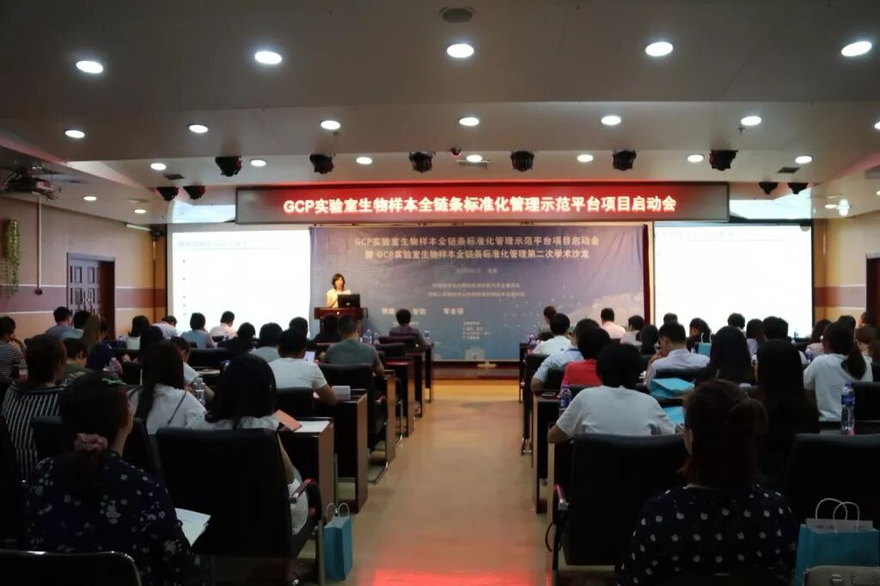
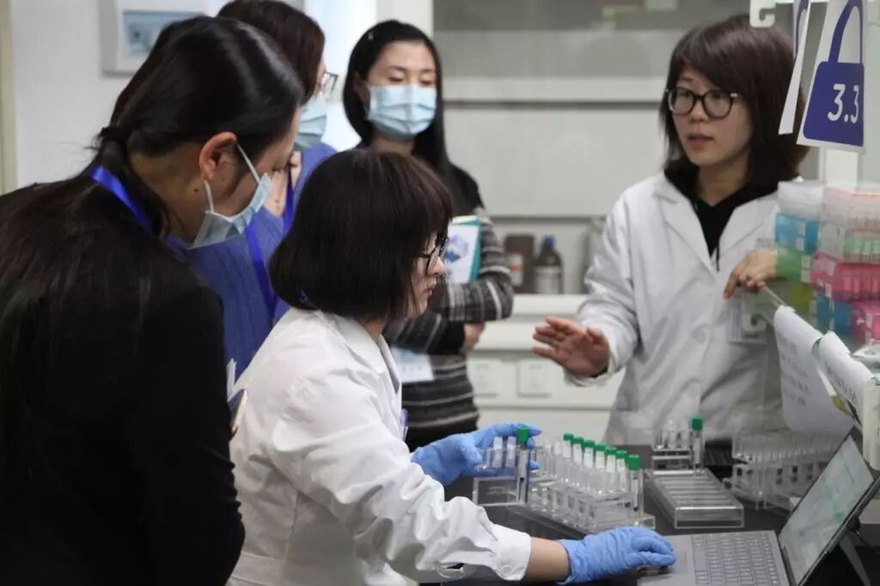
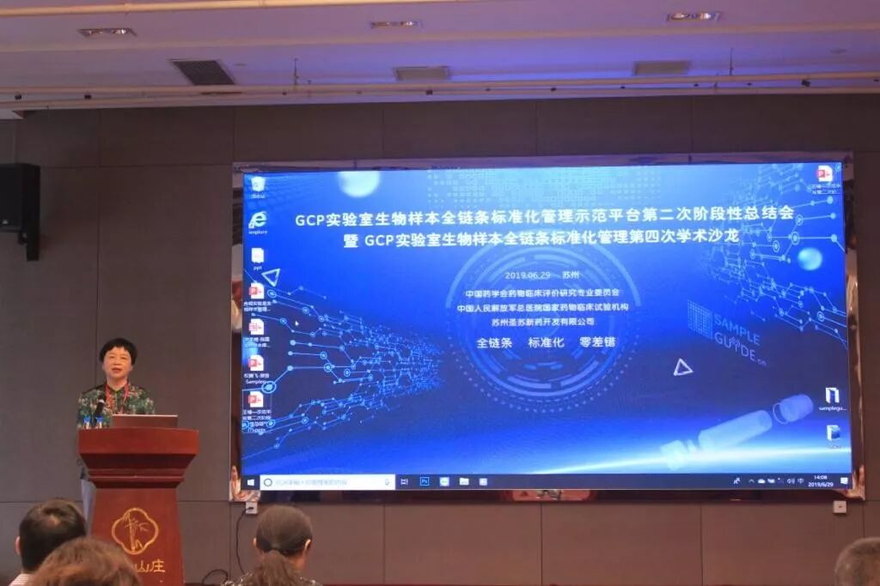
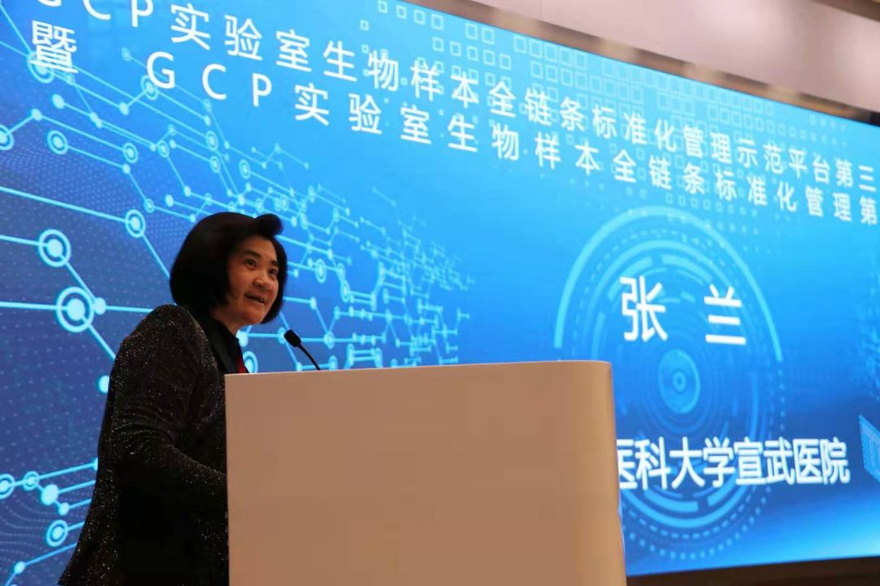
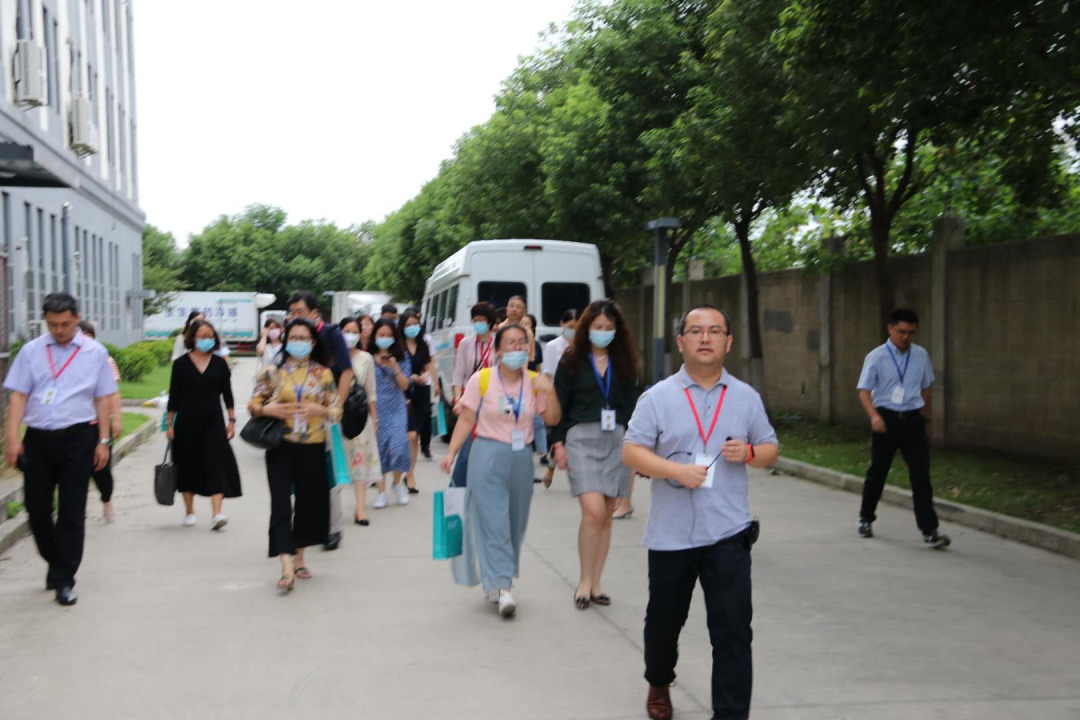
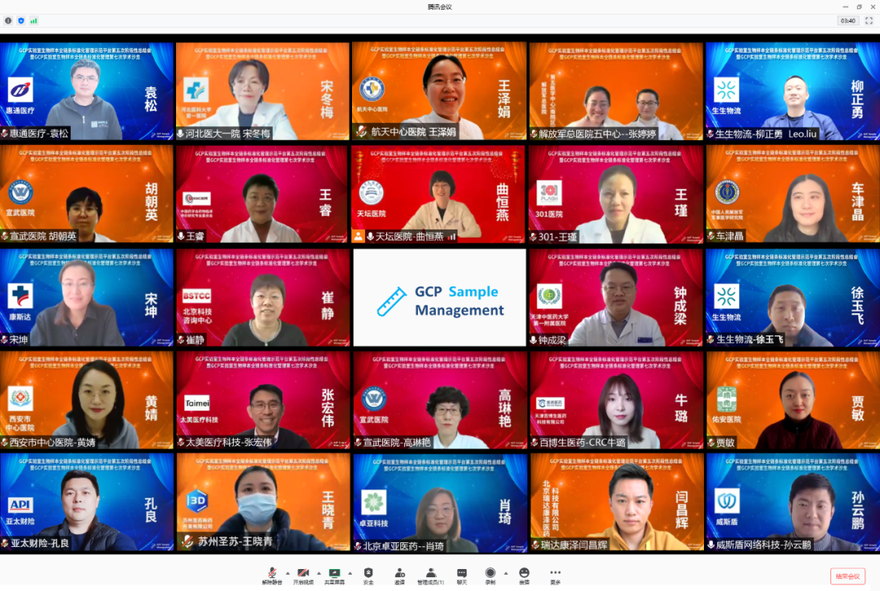
On-site photos from past milestone reviews and observation sessions (source: the platform's WeChat account over the years).
Alliance news and industry insight
The Alliance's founding, the Demonstration Platform's conclusion, the six-city recruitment meetings, Joint Study progress and expert views all debut on the Alliance's WeChat account. Click a card to read the original (in Chinese).
The SampleGuide Alliance (SGA) is officially founded
The Biosample End-to-End Management Compliance and Science Forum took place at the Xinlongze campus of Beijing Jishuitan Hospital, where the SGA Alliance was officially announced and its six founding members received their plaques.
Read moreEight years of work sets the benchmark | the Demonstration Platform concludes
Together with 10 enrolling sites and 11 technology partners, the platform refined the SampleGuide smart sample management system across nearly 100 clinical trials from 48 sponsors.
Read moreForum recap | highlights of the Compliance and Science Forum
Policy and industry addresses, the platform's conclusion, the Alliance launch and plaque ceremony, a walkthrough of the sample management section of the Phase I guideline, and dialogue among 17 guests.
Read moreThe new GCP adds one word — supervision. How should sponsors respond?
Sponsors must be able to prove they exercised oversight: from creating the project and having each party register and be authorized in the Mini Program, to viewing the whole process, bills and audit trails in real time.
Read moreJoint Study protocol (full text)
Background and objectives, collaboration model and participation requirements, the responsibilities of the seven parties, supporting systems, core value and industry vision — a complete guide to joining.
Read moreSeven parties, fully explained: what participants gain
Targeted answers to the pain points of sponsors, CROs, labs, sites, SMOs, cold-chain logistics and biobanks, plus common benefits such as the free system, co-authorship and Alliance membership.
Read moreRecruitment meeting · Guangzhou
The first meeting was held in Guangzhou, where Ms Liu Ke of Guangzhou Red Cross Hospital shared biosample workflows and the most frequent inspection findings, and attendees tried the Mini Program's reward feature on site.
Read moreRecruitment meeting · Changsha
Hosted by Hunan Huize Biopharma, with Ms Yin Xiaoli of Taixin Pharma presenting “Common Issues in Biosample Inspections” to a full house of 50.
Read moreRecruitment meeting · Shanghai
Hosted by Shengsheng Logistics, with Dr Ren Xinyi of Dingyue Bio reviewing the relevant regulations and laboratory workflows; guests strongly endorsed the smart cabinet's route of efficiency first, cost savings second.
Read moreRecruitment meeting · Wuhan
Hosted by Hongren Pharma, with Dr Wu Jianyuan of Zhongnan Hospital of Wuhan University sharing PK/PD biosample experience and the three questions sponsors will have to answer under the new GCP.
Read moreRecruitment meeting · Hefei
Hosted by Anhui Wanbang Pharma, where Deputy General Manager Xu Yang shared experience of deploying electronic laboratory records, and the live smart cabinet demo became the focus of the event.
Read moreJoint Study kick-off and Beijing recruitment meeting
The 15 founding participating organizations launched the project together, covering key nodes across the value chain; the protocol and data-capture dimensions were presented, along with a preview of the CRCC 2026 forum.
Read moreWu Jianyuan: the new GCP will break the silos
“Optimising a single step is easy, but connecting the whole chain across institutions and roles is something no single party can push through alone.” Giving sponsors end-to-end oversight under the new GCP is proving to be the key to change.
Read moreWhy we launched this joint study
A new regulatory direction, a mature technology base, stubborn real-world problems and the industry's duty not to settle for compliance on paper — the Alliance's own account, published the day the 2026 GCP took effect.
Read moreAlliance interview | Yu Zhenzhen: eight compliance pain points and how to solve them
The head of sample management at Hongren Pharma unpacks the eight pain points across the biosample lifecycle under the new GCP, and explains the six standardised solution modules of the Joint Study.
Read moreSampleGuide end-to-end management at a glance
One page covers it all: policy context, system capabilities, free use and pricing, the three-terminal architecture, seven-party value, track record and the essentials of the Joint Study.
Read moreWhat you may want to ask before signing up
Q1Is the system really completely free?+
Yes. The PC console, WeChat Mini Program and smart cabinets are all free to use — no software, deployment, maintenance or upgrade fees. Companies only pay for the consumable kits their trials require, the same money they already spend on consumables.
Q2How are consumable costs settled?+
Your company account is pre-funded; using a kit automatically deducts its price, and the balance is visible in real time. Top up whenever it runs low — larger top-ups earn rebates.
Q3What does the site need to prepare?+
A smart cabinet is deployed on site to store and manage consumables centrally; CRCs use the Mini Program to scan and sample, read RFID tags via NFC and print labels on the spot. Cabinet movements and sample data upload automatically, so sites take on no extra manual record-keeping.
Q4What does deployment require?+
The smart cabinet is installed at the clinical trial site, which only needs suitable space, stable power and network access. The PC console and Mini Program are cloud services, so no extra hardware and no server maintenance are required.
Q5How does a sponsor prove it exercised supervision?+
The system records the operator, time and content of every action. Sponsors can view the full progress and audit trail in real time from the PC console or Mini Program, and export standardised ledgers as inspection evidence; each kit's usage, bill, top-up and rebate are equally traceable.
Q6Will this add work for CRCs?+
No. Standardised guidance is built into the Mini Program: CRCs follow the prompts to scan or NFC-read RFID tags and print labels, and receive an instant reward afterwards. Compared with the traditional process it adds no extra steps — it streamlines the workflow and cuts handwriting and re-entry.
Q7How do we join the Alliance as a member?+
Participate in the Joint Study and complete implementation as required, and your organization automatically becomes a full member of the SampleGuide Alliance (SGA), sharing industry resources and academic outcomes. You can also contact the Alliance secretariat via the form below to learn about the terms and process.
Q8How do we take part in the Joint Study?+
The Joint Study is initiated by the Alliance, led by Beijing Gaobo Hospital and launched with 15 founding industry organizations, running from September 1, 2026 to December 31, 2027. During the study the system and smart devices are provided free, and partners cover only basic consumables and logistics. Once implemented, participants automatically become full members of the Alliance.
Request free access
Fill in the form below and the Alliance secretariat will contact you to arrange a system demo, on-site deployment and consumable-kit onboarding.
Scan to add the Alliance secretariat on WeCom (placeholder QR code — replace with the official one)